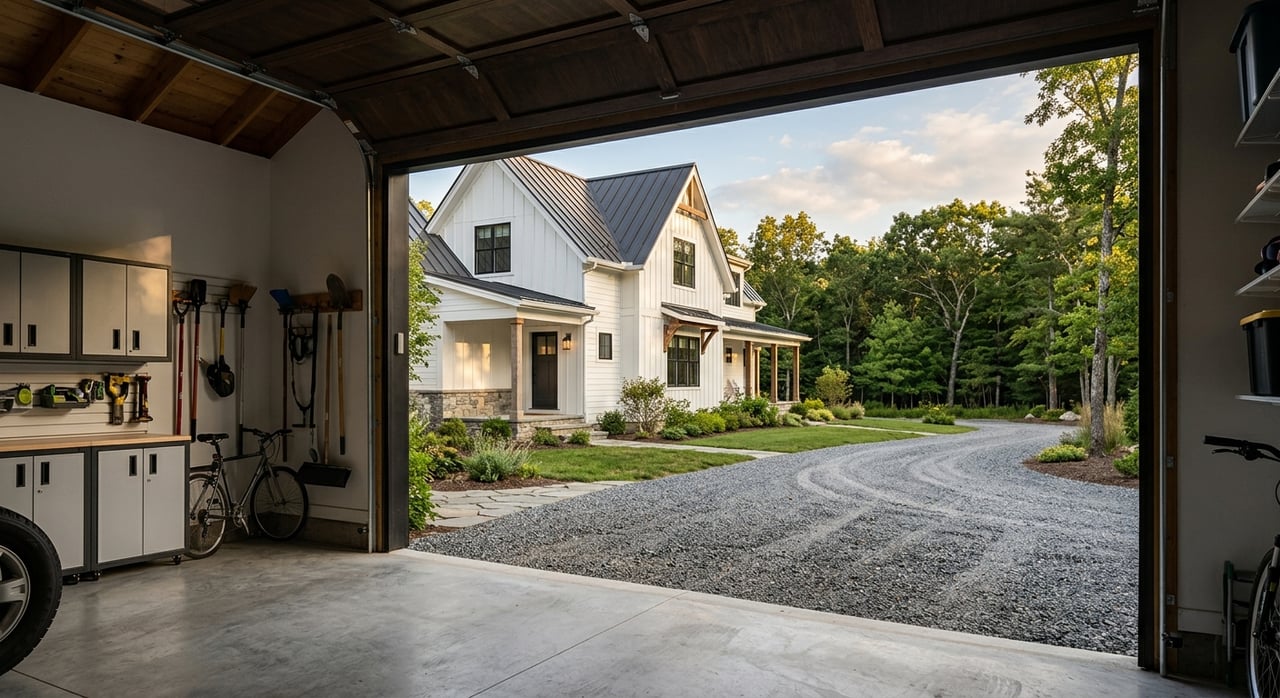
Selling rural property in Claxton is not the same as selling a house in town. Buyers want to know how they will get in, where the lines are, what utilities are available, and how much work the property might need before they can use it. If you want your land to show well and attract serious interest, a little planning before you list can go a long way. Let’s dive in.
Why rural prep matters in Claxton
In Claxton and across Evans County, agriculture is a major part of the local economy. The county notes crops and land uses such as corn, cotton, carrots, wheat, soybeans, pine tracts, and orchards, which means many buyers already think about land in practical terms.
That matters when you sell. A buyer is often looking past the pretty photos and asking simple questions: Can I access it easily? Can I understand the boundaries? Is there water, sewer, septic, or a well? Does the land look usable right now?
The Evans County tax assessor’s office also relies on aerial maps, deed-book and plat-book references when available, along with on-site inspections when appraising property. In plain terms, land that is easy to read on the ground is usually easier to present clearly in a listing and during showings.
Start with access and entrance
First impressions matter, especially on rural property. If the entrance is hard to spot, overgrown, or cluttered, buyers may assume the rest of the property will be just as difficult to navigate.
A simple, clean entry helps buyers feel more confident right away. It also makes it easier for your agent, photographers, and potential buyers to identify the property from the road without confusion.
Make the entrance obvious
If you can, clear brush around the driveway or opening and make sure the access point is visible from the road. Trim back limbs, remove debris, and tidy the roadside so the property feels maintained and functional.
If you have questions about roadside, ditch, or driveway-related issues, Evans County routes public works and road questions through option 4 on the main county line. That can be a helpful local starting point before you list.
Call before any digging
If your cleanup plan involves trenching, setting posts, widening a drive, or any other mechanized digging, call Georgia 811 first. Georgia 811 says utility members should be notified at least 48 hours and no more than 10 working days before digging so underground lines can be marked.
That is an easy step to overlook, but it can help you avoid delays, damage, and safety issues while getting the property ready.
Clarify boundaries before showings
On rural acreage, unclear boundaries create hesitation. Buyers do not want to guess where the tract begins, where it ends, or whether a field edge or tree line is actually part of the property.
This is one of the most valuable areas to address before your listing goes live. Clear boundaries help your property make sense in photos, on maps, and during in-person tours.
Gather survey and plat documents
If you have a recent survey, prior plat, or recorded parcel description, pull those documents together early. The county assessor’s process relies on mapped and recorded parcel information when available, so organized documentation can make your property easier to understand.
Even if your tract has been in the family for years, this paperwork can save time. It gives buyers and the closing team a clearer picture of what is being sold.
Mark hard-to-find corners
If the corners are difficult to spot, consider having them marked before photos and showings. That is especially helpful on wooded parcels, irregular tracts, or land with a mix of open and covered areas.
You do not need to overcomplicate it. The goal is simply to help a buyer walk the property and come away with a clear sense of its shape and size.
Organize utility and service information
One of the fastest ways to build buyer confidence is to have your utility information ready. Rural buyers often ask these questions early, and a seller who has answers prepared usually looks more credible and easier to work with.
The right records can also reduce back-and-forth once interest starts building.
If the property uses City of Claxton utilities
The City of Claxton lists water, sewer, and natural gas service, with separate in-town and out-of-town water and sewer rates. If your property is served by city utilities, gather recent bills, utility account numbers, and the location of meters or shutoffs before listing.
This gives buyers practical details they may want as they compare properties. It also helps avoid last-minute scrambling when questions come up.
If the property has a well or septic system
If your property uses a private well, the Southeast Health District says the county health department can sample a well for bacteria at the owner’s request. For some sellers, that can be useful documentation to have ready.
If the property uses an on-site sewage system, Environmental Health handles those systems when public or community sewer is not available. That makes septic paperwork, pump records, and repair history worth gathering before your home or land hits the market.
Consider extra testing for small farms or acreage
UGA Extension in Claxton notes testing services for water quality, soil analysis, plant tissue, feeds, forages, and special analysis. If you are selling a homesite, small farm, or acreage with agricultural use, that kind of information may help support the property’s presentation.
Not every seller will need this step. But if your land’s utility or use is a major selling point, good documentation can help buyers feel more informed.
Clean up what buyers will notice most
You do not need a major overhaul to improve showing quality. In many cases, basic cleanup makes the biggest difference.
Because Evans County has a strong rural and agricultural identity, buyers are likely to notice field edges, brush lines, tree lines, and whether the entrance feels cared for. A property that looks manageable often feels more valuable.
Focus on visible, practical improvements
Start with the areas buyers will see first and remember most. That usually includes the road frontage, entrance, driveway, homesite area, and any open ground visible from the main access.
A few smart steps can make the land feel much more usable:
- Mow or trim visible areas
- Remove junk piles and scattered debris
- Clean up limbs, brush, and shrubbery near the entrance
- Tidy any obvious scrap metal, old appliances, or unused materials
- Make the drive or access path easier to follow
- Help buyers see where the property begins and how they can move through it
Use local disposal options
If cleanup creates a load of debris, the Evans County landfill accepts yard trimmings, limbs, shrubbery, construction and demolition materials, scrap metal, tires, and appliances. That makes it a practical local option for pre-listing cleanup.
For many sellers, this is one of the simplest ways to improve appearance without spending a lot of money.
Build a simple seller file
Rural listings often involve more moving pieces than a standard in-town sale. Putting your key information in one place can save time and help your property feel better prepared from day one.
A simple folder, whether digital or printed, can make it easier for your agent to answer questions and market the property clearly.
What to include in your file
Try to gather:
- Survey or plat documents
- Legal parcel description if available
- Utility account details and recent bills
- Well records or water test results if available
- Septic paperwork, pump history, or repair records
- Notes about access points, gates, or drive locations
- Any known information about road frontage or entry improvements
You do not need every item for every property. Just collect what you have and organize it so the details are easy to review.
Keep local contacts handy
Sometimes a quick phone call helps you solve a pre-listing question faster than an online search. Claxton sellers can save time by knowing which local office handles what.
Here are a few useful contacts from the local sources in the research:
- Evans County Tax Commissioner / Tax Assessor, 201 Freeman Street, Suite 4, Claxton, (912) 739-1147, Monday through Friday from 8:15 a.m. to 4:30 p.m.
- Evans County Public Works / Road Department, main county number (912) 739-1141, option 4
- City of Claxton, 206 Railroad Street, Claxton, (912) 739-1712
- Evans County Landfill, 45 David Tippins Road, Claxton, (912) 739-3195 option 2
- Evans County Health Department, 4 North Newton Street, Claxton, (855) 473-4374
- Georgia 811, call 811 before excavation
A better showing does not have to be expensive
If you are getting your rural Claxton property ready to sell, focus on the basics first. Make access obvious, remove clutter, clarify boundaries, and organize your utility, well, and septic records.
Those steps can help your property show better without a major investment. They also help buyers feel more certain about what they are seeing, which is often half the battle with rural land.
When you want local guidance that understands both the people side and the property side of a rural sale, Brown Land and Realty is here to help.
FAQs
What should Claxton sellers do first before listing rural land?
- Start with access and visibility. Make the entrance easy to spot from the road, clear obvious debris, and gather any survey or utility records you already have.
Why are surveys important for rural property in Evans County?
- Surveys and plat documents help buyers understand boundaries, corners, and the tract’s shape. They also align with the county assessor’s use of aerial maps and recorded parcel information.
What utility records should Claxton rural sellers gather before listing?
- If the property has city service, gather utility account numbers, recent bills, and meter or shutoff locations. If it has a well or septic system, collect any available testing, maintenance, pump, or repair records.
Where can rural property owners in Claxton take cleanup debris?
- The Evans County landfill accepts yard trimmings, limbs, shrubbery, construction and demolition materials, scrap metal, tires, and appliances.
Who should Claxton sellers contact about well or septic questions?
- The Evans County Health Department is the right local contact for environmental health questions, including private well sampling and on-site sewage system information.
When should Claxton property owners call Georgia 811?
- Call before any mechanized digging, such as trenching, widening a drive, or setting posts. Georgia 811 says utilities should be notified at least 48 hours and no more than 10 working days before excavation.