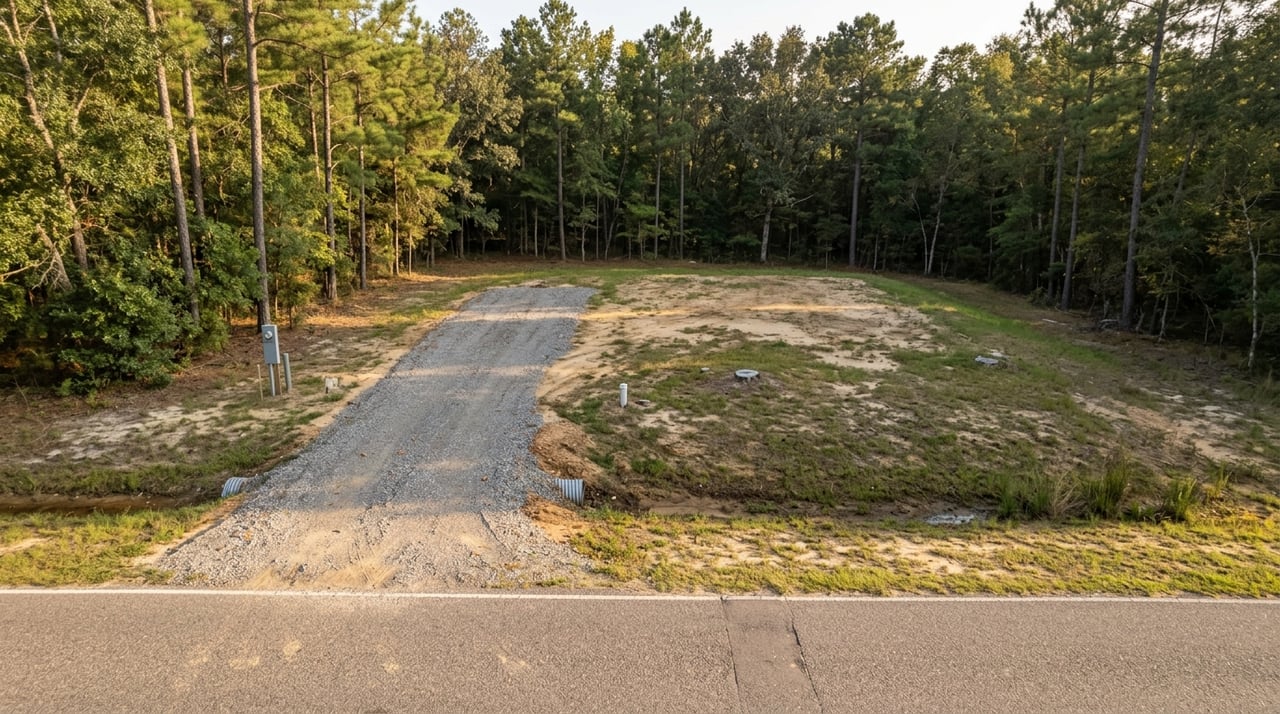
Buying acreage near Statesboro can feel exciting at first glance. A larger tract may seem like more freedom, more privacy, or more future potential. But in Bulloch County, the real question is not just how many acres you are buying. It is how many usable acres you are getting for your goals. If you want to build, keep animals, create a family homesite, or hold land for future use, a careful review up front can save you time, money, and stress later. Let’s dive in.
Start With Your Intended Use
Before you fall in love with a property, get clear on what you want the land to do for you. A tract that works well for one buyer may not work for another, even if the acreage looks generous on paper.
In unincorporated Bulloch County, land use is shaped by the county’s planning and zoning framework, which covers zoning, subdivision, flood, soil erosion, building, and manufactured-home ordinances. You can review the county’s planning overview through the Bulloch County Planning and Zoning Department.
Check Zoning First
Zoning helps determine whether a tract fits your plans. For example, Bulloch County’s AG-5 district allows single-family detached homes, farms, nursery and garden uses, and certain accessory uses. It also requires a minimum lot area of 5 acres and a minimum lot width of 200 feet, according to the county’s zoning ordinance.
Another common district is R-80, which is a low-density residential district with a minimum lot size of 80,000 square feet. By contrast, R-8 is intended for smaller lots where public water and public sewer are available, which shows why utility access and zoning often go hand in hand.
Match the Land to the Plan
If you want a homesite, hobby farm, or room for future family use, zoning and lot standards matter right away. If you are thinking long term about future division or a recreation-focused property, the rules can be different.
For example, the county’s zoning ordinance states that RV parks and campgrounds require at least 10 acres and 100 feet of road frontage, along with water and sewer or approved septic and community water arrangements. That is a good reminder that your plans should lead the evaluation process, not the other way around.
Focus on Usable Acreage
One of the biggest mistakes buyers make is assuming all acreage is equal. It is not. A 10-acre tract with flood-prone areas, easements, poor soils, or limited access may offer less practical use than a smaller parcel with stronger site conditions.
Bulloch County defines net land area as land devoted to use excluding streets, rights-of-way, flood hazard areas, and public lands. The county’s standards also subtract easements and open space when calculating net buildable area, as outlined in the zoning ordinance.
Gross Acres vs. Buildable Area
This is why “10 acres” on a listing sheet does not automatically mean you can build wherever you want. Setbacks, wetlands, drainage features, floodplain, and access limits can all reduce what is actually usable.
If your goal is to build a home, place a driveway, add a workshop, or possibly split land later, the buildable portion matters much more than the total advertised acreage.
Review Access and Road Frontage
Access can make or break an acreage purchase. Even if a property looks ideal on a map, it still needs practical and legal access that supports your intended use.
Bulloch County’s subdivision regulations say the county will not approve certain plans if the existing roads providing primary access are inadequate for the traffic a development would add. The county may also require shared access and can review an access evaluation or traffic impact study under its subdivision regulations.
Why Frontage Matters
Road frontage affects more than convenience. It can influence driveway placement, future subdivision options, and whether a tract is functional at all.
In AG-5, Bulloch County allows flag lots only under specific conditions, and a flag lot cannot be created from a parcel with less than 500 feet of road frontage, according to the zoning ordinance. If part of your plan includes splitting the tract later, this detail matters early.
State Highway Access Needs Extra Attention
If the property fronts a state highway, there may be another step. Bulloch County’s subdivision rules require GDOT approval for access roads or driveways along a state highway before certain land-disturbance approvals can move forward.
That means a tract with highway frontage may offer visibility, but access is not something to assume. It needs to be verified.
Study Topography, Drainage, and Natural Features
The shape of the land matters more than many buyers expect. A beautiful tract may still have limitations based on slope, low areas, drainage patterns, streams, swamps, or wetlands.
Bulloch County requires topography and drainage information in plat review because these factors affect how roads, buildings, and stormwater systems can be laid out. The county also requires natural features such as streams, lakes, swamps, flood-prone land, and wetlands to be identified in the review process under its subdivision regulations.
Watch for Floodplain Limits
Flood-prone land can reduce where you can build and how utilities must be placed. The county requires subdivisions subject to 100-year flooding to be designed to minimize flood damage, including the placement of utilities and on-site sewage systems.
A smart first step is to check the property through FEMA’s Flood Map Service Center. That gives you an official starting point for flood-hazard information before you move deeper into due diligence.
Test Soils and Septic Feasibility
For many rural tracts near Statesboro, soil suitability is one of the most important buildability questions. If public sewer is not available, the property may need an approved on-site sewage system.
Bulloch County’s subdivision regulations state that the county will not approve a subdivision where the county health department has determined the soils are not suitable for development. That makes soil testing and septic feasibility central to evaluating land, especially in rural areas.
Use Soil Data Early
A helpful early tool is the USDA NRCS Web Soil Survey. It can show soil types and suitability data, although NRCS notes that onsite investigation is still needed in some cases for soil quality and engineering uses.
That is why a map review is a good start, not the final answer. If you expect to build, it is wise to treat septic suitability as a key item before closing rather than a detail to sort out later.
Verify Water, Sewer, and Well Options
Utility availability should always be confirmed parcel by parcel. A Statesboro mailing address does not guarantee city utilities at the property line.
The City of Statesboro states that its water system serves the city and parts of the county, with water supplied by six deep groundwater wells and wastewater collected through the sanitary sewer system. You can review that service information through the city’s Water and Wastewater Department.
Wastewater Approval Is Required
Bulloch County’s building permit checklist requires wastewater approval, either through municipal wastewater service or a septic tank system approved by the Bulloch County Health Department. The county outlines those items on its building permit application page.
District 4 Public Health also explains that local Environmental Health Offices administer permits and inspections for on-site sewage management systems through its wastewater management information. In plain terms, septic approval is something to verify with the proper authority, not just rely on from a verbal statement.
Private Wells Need Careful Placement
If a tract will use a private well, placement matters. The Georgia Department of Public Health says wells should be placed away from pollutants and not in flood-prone areas unless the casing extends at least two feet above the highest known flood of record. DPH also recommends annual bacterial testing and chemical screening every three years, as explained in its well water guidance.
Understand the Paperwork Before Closing
Acreage purchases often involve more paperwork than buyers expect. Knowing what the county requires can help you avoid delays after closing.
To get a building permit in Bulloch County, buyers need an application, a 911 address application, a warranty deed or plat, a site plan, and wastewater approval. The county also notes that vacant lots are not assigned an address until a building permit application has been filed, based on its permit requirements.
Land Disturbance Can Trigger More Steps
If your project will disturb more than 1.1 acres, Bulloch County requires a soil erosion and sedimentation control plan. The county also states that the building permit will not be issued until the land-disturbing permit is issued, which you can review on the land-disturbing permit page.
This matters if you plan to clear a homesite, build a long driveway, or prepare a larger portion of the tract for use. Bigger land plans often involve more county review than buyers expect.
Build Your Due Diligence Team
A good acreage purchase usually involves more than a standard home showing. Because property utility often comes down to boundaries, frontage, setbacks, easements, drainage, and septic feasibility, a current survey and qualified professional input can make a major difference.
That is one reason buyers often benefit from working with a local team that understands both the practical and technical side of land. With deep experience in land, homesites, and property evaluation around Statesboro, Brown Land and Realty can help you think through the details that affect whether a tract truly fits your plans. If you are considering acreage near Statesboro, reach out to Brown Land and Realty to schedule a free consultation.
FAQs
How do you evaluate acreage for a homesite near Statesboro?
- Start with zoning, then review usable acreage, road frontage, access, soils, floodplain, and utility availability before you decide whether the tract fits your plans.
Does more acreage always mean better land in Bulloch County?
- No. A larger tract may have less usable area if flood hazard areas, easements, unsuitable soils, or access issues limit where you can build or place improvements.
Can you build anywhere on acreage in unincorporated Bulloch County?
- No. Zoning setbacks, flood rules, soil suitability, wastewater approval, and access standards all affect where structures, driveways, and utilities can go.
Can you split acreage later near Statesboro?
- Not automatically. Future subdivision potential can depend on zoning, road frontage, access, and Bulloch County subdivision rules.
Should you get a survey before buying acreage near Statesboro?
- Yes. A current survey is one of the best ways to confirm boundaries, frontage, easements, and how much of the tract is truly usable for your goals.